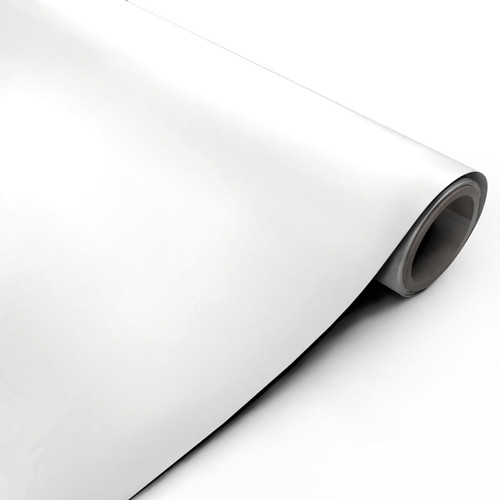
How to Install Premium Interior Architectural Vinyl: A Step-by-Step Guide
Pro-Tip Before You Start: We highly recommend doing a quick test run with a small scrap piece of vinyl. A little practice on a loose object will give you a feel for the material's tack and flexibility before you tackle your main project.
️Step 1: Surface Preparation & Priming
The secret to a flawless, long-lasting wrap is a perfectly prepped surface.
Seal Bare Wood (MDF & Plywood): Bare wood is naturally porous, meaning raw vinyl will not adhere properly. You must completely seal the wood first with a primer, varnish, or paint, allowing it to dry fully before wrapping.
Use an Adhesive Promoter: Because premium architectural wraps are thicker and more durable than standard vinyl, we strongly recommend applying an adhesive promoter like 3M 94 Primer to all perimeter edges, sharp bends, and deep recesses. This locks the edges down and significantly extends the lifespan of your project. (Available online or through your local 3M distributor).
Step 2: Alignment & Application
Lock in Your Alignment: Once your vinyl is cut to size, line it up carefully over your surface. Peel back roughly 10cm to 15cm of the backing paper from the top of the film. Press this exposed adhesive strip firmly onto the top edge of your item to lock your alignment in place.
The Pull-and-Squeegee Method: Reach underneath the film to slowly pull the backing paper down with one hand. At the same time, use your squeegee on top with firm, overlapping strokes to smoothly sweep the vinyl onto the surface.
Banish Air Bubbles: If you encounter any trapped air bubbles, simply use your squeegee to gently push the air out toward the closest edge.
Step 3: Wrapping Curves, Corners, and Edges
Add a Little Heat: If your project features curves, bevels, or rounded bends, use a heat gun to gently warm the film. This instantly softens the vinyl, making it pliable enough to stretch smoothly around contours.
Create a Secure Overlap: For maximum security against lifting, wrap the vinyl fully around the lip of the object and create an overlap on the hidden underside or back of the item whenever possible.
Step 4: Aftercare & Maintenance
To prolong the life and beauty of wrapped worktops, counters, and tables, treat them with care:
Never place scorching hot pans directly onto the vinyl surface.
Always use coasters, trivets, and placemats under hot mugs, plates, and cookware to shield the material from extreme heat.